Joining the Maryland Defense Force
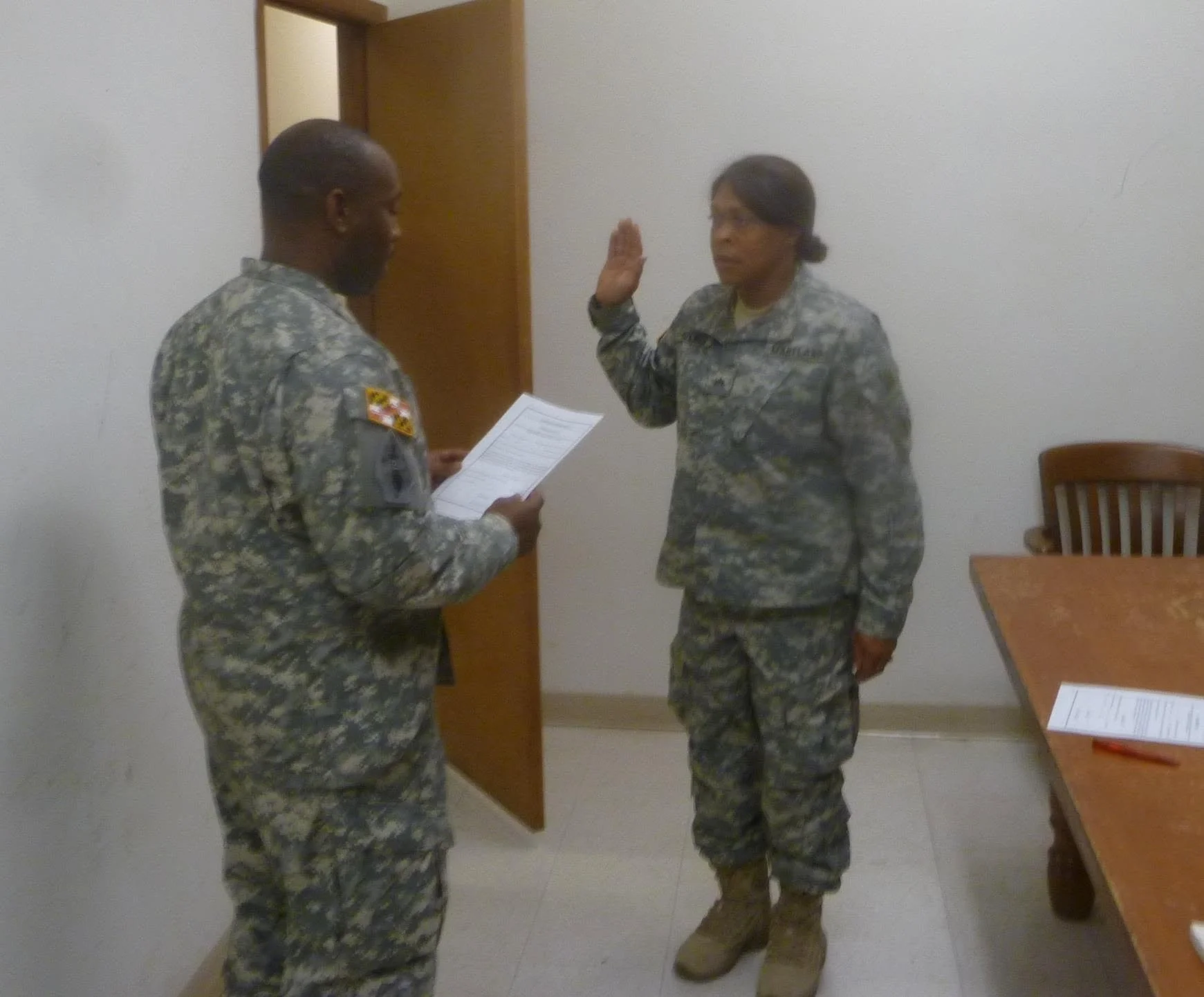
Getting sworn into the Maryland Defense Force (MDDF) as a state guard soldier one evening in November 2011 is something I’ll never forget. The MDDF is Maryland’s state defense force, organized as a volunteer military organization that parallels the Maryland National Guard and is designed to provide support during state emergencies.
Before getting into my journey with the MDDF, let me take you back to August 2011, when I was serving with the Prince George’s County Community Emergency Response Team (CERT). The CERT program trains citizens to prepare for emergency situations in their communities; when disaster strikes, CERT members provide critical support to first responders, assist victims, and organize spontaneous volunteers at a disaster site. On a sunny day that August, our group headed to Baltimore County for a CERT Rodeo, competing against teams from other Maryland counties. When we arrived at the Baltimore County Fire Academy, I pulled together my own six-person team for the events, and throughout the day my team performed excellently, winning four awards. Later that day, three MDDF soldiers watching the events — a captain, a staff sergeant, and a sergeant — struck up a conversation with us. They told us about a special team being formed within the MDDF’s Honor Guard that would handle search and rescue (SAR) for the state of Maryland. Since search and rescue is also a component of CERT, that immediately caught my interest.
That November 2011 evening, I was sworn into the MDDF as a soldier, with the rank of corporal on the Honor Guard team. That night, I received my welcome packet, along with the guidelines, rules, and regulations, which followed Army customs. Reading through the guidelines, I noticed it stated that female soldiers could not wear makeup, colored nail polish, or painted nails. My first reaction was to think, “Let me out of here!” But that thought passed quickly. No one there knew I was transgender, since all my paperwork already reflected my new legal name — including my passport, which I could use in place of a birth certificate to join. I did have to get a physical before my next drill, and it was reassuring to be able to see my own doctor for that.
At the next drill, my Honor Guard team began training in wilderness first aid and SAR training, alongside honor guard training. I also had to complete Initial Entry Training (IET), and at the end of it I received the Leadership Award. After my first year with the MDDF, at the December 2012 holiday ball, I was awarded the Non-Commissioned Officer (NCO) Soldier of the Year Award. In November 2013, I received the Soldier of the Year Award given by the State Guard Association of the United States (SGAUS). After receiving these prestigious awards, I knew my work wasn’t finished — I felt I was now on a mission. In both 2012 and 2013, after receiving these honors, many female soldiers came up to me saying, “Great job, you’re doing it for us!” Little did they know I was transgender at the time. The comments were true, I thought, but I was also doing this work for the transgender community, something I couldn’t yet say openly.
During my time with the MDDF, I served doing work in morale, welfare, and recreation (MWR), as well as honor guard duty, and later became part of force protection (FP). I subsequently earned my Military Emergency Management Specialist (MEMS) badge and was assigned to work at the Maryland Joint Operations Center (MJOC) with the Maryland Emergency Management Agency (MEMA). The first time I had to stay overnight at the barracks, I worried about the shower situation, since there were no curtains around each showerhead — one of the real, practical issues any transgender soldier has to think through while serving. I came up with a plan that worked well in case I wasn’t the only person in the shower at the time.
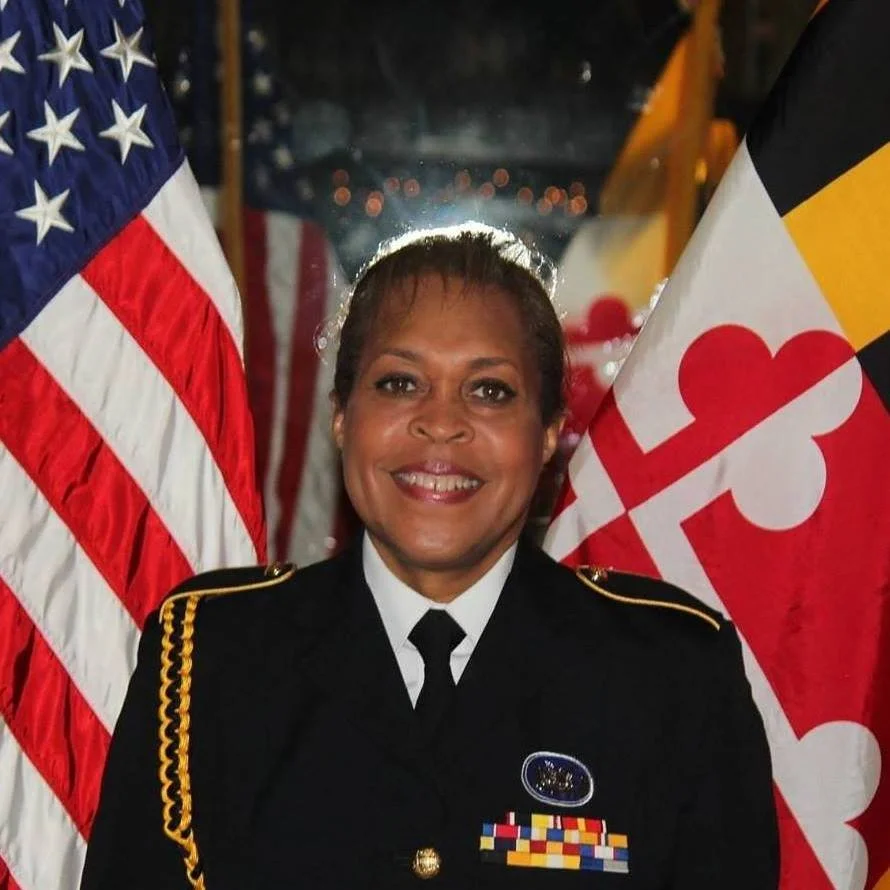
Over my three years with the MDDF, I presented the flag at events and parades while also working force protection. My FP team received a commendation for helping at an accident outside our gates in Baltimore during one drill. On April 8, 2016, I had vaginoplasty — also known as gender confirmation surgery or genital reassignment surgery (GRS). Shortly after, on April 25, ABC News released an interview they’d done with me titled “A Transgender Soldier’s Personal Story”. After the interview aired, several of my fellow soldiers told me how much they loved it and expressed their full support, with some saying, “You’re not only a good soldier, but you’re a good friend.” During my time with the MDDF, I received two promotions, ultimately retiring at the rank of staff sergeant. Serving alongside the men and women of the MDDF — my battle buddies, and my friends — was one of the most meaningful experiences of my life. I retired from the MDDF in January 2016.